Fostering Transdisciplinary Learning Processes in the AI Enhanced K-12 Classroom

Instructors
-
 Kyriakos ChristodoulouHead of R&D and Innovation
Kyriakos Christodoulou is the Research and Development Innovation Director at Digipro Education Limited, a leading provider of innovative pedagogical solutions in the EdTech industry. He has over 15 years of experience in the field of computer science, specializing in ethical pedagogy, while also holding the position of Director of R&D and Innovation of a global computer science curriculum at FUNecole Education Limited.
He previously worked as a Computer Science Lecturer and Researcher at the University of Duy Tan. Under Kyriakos’ leadership as a Robotics instructor, his students received 1st prize in primary age ROBOTEX contest. Kyriakos holds a Bachelor’s in Computer Science from the University of Nottingham, and an MSc in Technology Innovation Management from SPRU, University of Sussex.
As a co-founder of a non-profit organisation the ‘ECO Social Movement’, he is committed to support and organise social and ecological volunteering projects. In his spare time Kyriakos enjoys playing the piano and rock-climbing excursions.
-
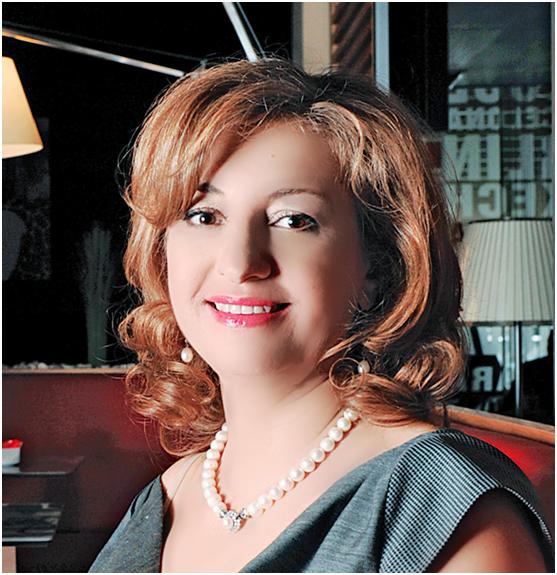 Chryso ChristodoulouCEO – Founder
Mrs. Chryso Christodoulou is the founder of FUNecole® Research Institute and the co-founder of Digipro Education Limited. Her academic background is in Computer Science and Education. She is the designer and author of the FUNecole® for Cambridge ICT Starters Initial Steps endorsed by University of Cambridge International Examinations and recognized best practice educational approach by the European Commission. Mrs. Christodoulou is an external educational expert for the Institute of Prospective Technological Studies (IPTS) on various educational research projects. She is a program committee member for the Institute of Electrical and Electronics Engineers’ (IEEE) Computer society. Mrs. Christodoulou participates as keynote speaker and panelist at numerous conferences, seminars and workshops around the world. Mrs. Christodoulou´s work has been published in scholarly and policy publications, such as IEEE Xplore and the European Parliament Magazine. She is a recognized as an entrepreneurship expert by OECD and is one of 350 European Ambassadors of Entrepreneurship.
Instructors
-
Kyriakos ChristodoulouHead of R&D and Innovation
Kyriakos Christodoulou is the Research and Development Innovation Director at Digipro Education Limited, a leading provider of innovative pedagogical solutions in the EdTech industry. He has over 15 years of experience in the field of computer science, specializing in ethical pedagogy, while also holding the position of Director of R&D and Innovation of a global computer science curriculum at FUNecole Education Limited.
He previously worked as a Computer Science Lecturer and Researcher at the University of Duy Tan. Under Kyriakos’ leadership as a Robotics instructor, his students received 1st prize in primary age ROBOTEX contest. Kyriakos holds a Bachelor’s in Computer Science from the University of Nottingham, and an MSc in Technology Innovation Management from SPRU, University of Sussex.
As a co-founder of a non-profit organisation the ‘ECO Social Movement’, he is committed to support and organise social and ecological volunteering projects. In his spare time Kyriakos enjoys playing the piano and rock-climbing excursions.
-
Chryso ChristodoulouCEO – Founder
Mrs. Chryso Christodoulou is the founder of FUNecole® Research Institute and the co-founder of Digipro Education Limited. Her academic background is in Computer Science and Education. She is the designer and author of the FUNecole® for Cambridge ICT Starters Initial Steps endorsed by University of Cambridge International Examinations and recognized best practice educational approach by the European Commission. Mrs. Christodoulou is an external educational expert for the Institute of Prospective Technological Studies (IPTS) on various educational research projects. She is a program committee member for the Institute of Electrical and Electronics Engineers’ (IEEE) Computer society. Mrs. Christodoulou participates as keynote speaker and panelist at numerous conferences, seminars and workshops around the world. Mrs. Christodoulou´s work has been published in scholarly and policy publications, such as IEEE Xplore and the European Parliament Magazine. She is a recognized as an entrepreneurship expert by OECD and is one of 350 European Ambassadors of Entrepreneurship.
Hourly Schedule
Day 1
- 7:30 – 9:30
- Fostering Transdisciplinary Learning Processes.
- 1. The Importance of Learning Show how transdisciplinary subjects can be blended to provide a holistic education that nurtures critical thinking, creativity, and emotional intelligence.<br/> 2. Teaching the Whole Child<br/> 3. Focus on how integrating social-emotional learning with academics improves student well-being and academic performance.<br/> 4. The Future-Ready Skills: Explore how transdisciplinary education prepares students for the future by fostering innovation, collaboration, and problem-solving skills.
- 9:30 – 9:45
- Coffee Break
- 9:45 – 12:15
- The 4 Pillars of Education
- a) Learning to know "It's better to know how to learn than to know"- Dr. Seuss. This pillar goes beyond learning facts. This emphasizes on how students learn. Mastering one's ability to gain knowledge in a smart way.<br/> b) Learning to do The focus of this pillar is about preparing learners to apply what they learn.<br/> c) Learning to live together "Let us live and move in harmony. Let us grow together. Let us live in complete harmony without any misunderstanding." – Sathya Sai Baba This pillar will be about is real the purpose of learning, the need of skill development and the rational behind the usefulness of these skills to our community?<br/> d) Learning to be "One of the main reasons people fail to reach their own potential is because they are unwilling to risk anything."- Anonymous This pillar will focus on the total development of a human person. Achieving one’s highest potential by developing in all aspects like moral. social, spiritual, physical and intellectual.
Day 2
- 7:30 – 9:00
- Integrating AI into Pedagogical Models using the Multidisciplinary process approach.
- <b>1. Personalized Learning Pathways</b><br/> a) How can educators take advantage AI systems analysis of students' learning styles, strengths, and weaknesses, providing personalized content that draws from multiple disciplines.<br/> b) How this approach helps students understand how concepts in one field relate to others, fostering a holistic understanding of complex topics. For example, when studying climate change, students can receive tailored materials that combine elements of environmental science, economics, and social studies.<br/><br/> <b>2. Interdisciplinary Problem Solving</b><br/> a) How AI tools can simulate real-world scenarios that require transdisciplinary approaches to solve.<br/> b) Case study of students working on AI-powered projects like smart cities, global health challenges, or sustainable technologies, which require knowledge of STEM, humanities, and social sciences. These challenges encourage collaboration across traditional subject boundaries.<br/><br/> <b>3. AI-Driven Collaboration and Knowledge Sharing</b><br/> a) AI-enhanced collaborative platforms foster knowledge sharing among students, educators, and experts from various disciplines. Using AI to identify relevant connections between disciplines, students can engage in deeper learning discussions, making sense of complex topics through diverse lenses.
- 9:00 – 10:00
- Data-Driven Insights for Educators
- • How are differentiated student insights AI provide educators?<br/> • What patterns are identified and how they can contribute to a holistic cross-disciplinary teaching strategies?<br/> • How can these AI insights can guide the creation of lessons that seamlessly integrate content from different fields?<br/> • What are the new offering to students from these more comprehensive learning experiences?
- 10:00 – 10:15
- Coffee Break
- 10:15 – 12:15
- AI as a Cross-Disciplinary Mentor
- • How AI-driven virtual tutors or teaching assistants can act as guides across different subject areas?<br/> • How does AI offer instant support and bridging gaps in knowledge in the multidisciplinary class?<br/> • How can AI agents can facilitate learning by providing explanations that connect multiple disciplines, helping students see the broader context of the problem’s students tackle?
Day 3
- 7:30 – 9:00
- Recapitulation of the previous day
- Connect and Align the Transdisciplinary Processes with the Cypriot Educational Standards
- 9:00 – 10:00
- Case study: Best Practices for Connecting Transdisciplinary Approach with Special Education
- Special Education students oftentimes go to intervention classes in place of arts classes (technology, art, music, etc). The same also applies to students performing below grade-level in math and reading.
- 10:00 – 10:15
- Coffee Break
- 10:15 – 11:45
- Deploying transdisciplinary lessons
- • Encourage student communication of their ideas or questions to a partner student.<br/> • Provide students with the freedom to produce their own solutions.<br/> • Avoid jumping in with guided assistance or additional prompting the moment your students begin to struggle.<br/> • Ensure student buy-in to their creative solutions.<br/> • Have a discussion about challenges students face after the activities.
- 11:45 – 12:45
- Group Presentations
- Present group projects that contain learning experiences beyond expectations driven by authentic passion and need<br/><br/> Seminar Closure