
Catalyzing Change: How ISTE Standards are Disrupting and Redefining 21st Century Global Education

Instructors
-
 Kyriakos ChristodoulouHead of R&D and Innovation
Kyriakos Christodoulou is the Research and Development Innovation Director at Digipro Education Limited, a leading provider of innovative pedagogical solutions in the EdTech industry. He has over 15 years of experience in the field of computer science, specializing in ethical pedagogy, while also holding the position of Director of R&D and Innovation of a global computer science curriculum at FUNecole Education Limited.
He previously worked as a Computer Science Lecturer and Researcher at the University of Duy Tan. Under Kyriakos’ leadership as a Robotics instructor, his students received 1st prize in primary age ROBOTEX contest. Kyriakos holds a Bachelor’s in Computer Science from the University of Nottingham, and an MSc in Technology Innovation Management from SPRU, University of Sussex.
As a co-founder of a non-profit organisation the ‘ECO Social Movement’, he is committed to support and organise social and ecological volunteering projects. In his spare time Kyriakos enjoys playing the piano and rock-climbing excursions.
-
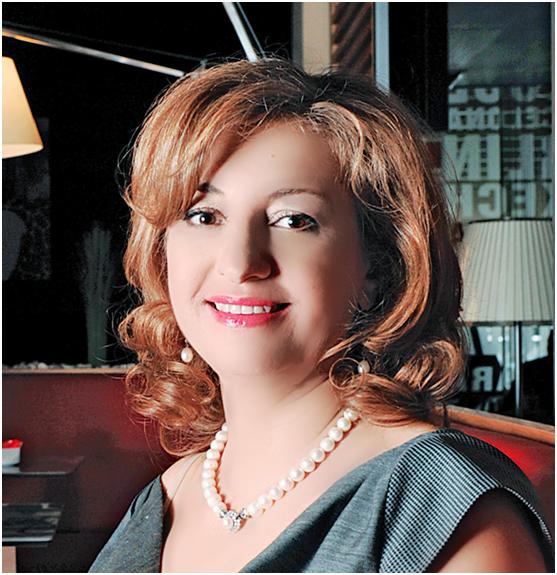 Chryso ChristodoulouCEO – Founder
Mrs. Chryso Christodoulou is the founder of FUNecole® Research Institute and the co-founder of Digipro Education Limited. Her academic background is in Computer Science and Education. She is the designer and author of the FUNecole® for Cambridge ICT Starters Initial Steps endorsed by University of Cambridge International Examinations and recognized best practice educational approach by the European Commission. Mrs. Christodoulou is an external educational expert for the Institute of Prospective Technological Studies (IPTS) on various educational research projects. She is a program committee member for the Institute of Electrical and Electronics Engineers’ (IEEE) Computer society. Mrs. Christodoulou participates as keynote speaker and panelist at numerous conferences, seminars and workshops around the world. Mrs. Christodoulou´s work has been published in scholarly and policy publications, such as IEEE Xplore and the European Parliament Magazine. She is a recognized as an entrepreneurship expert by OECD and is one of 350 European Ambassadors of Entrepreneurship.

Instructors
-
Kyriakos ChristodoulouHead of R&D and Innovation
Kyriakos Christodoulou is the Research and Development Innovation Director at Digipro Education Limited, a leading provider of innovative pedagogical solutions in the EdTech industry. He has over 15 years of experience in the field of computer science, specializing in ethical pedagogy, while also holding the position of Director of R&D and Innovation of a global computer science curriculum at FUNecole Education Limited.
He previously worked as a Computer Science Lecturer and Researcher at the University of Duy Tan. Under Kyriakos’ leadership as a Robotics instructor, his students received 1st prize in primary age ROBOTEX contest. Kyriakos holds a Bachelor’s in Computer Science from the University of Nottingham, and an MSc in Technology Innovation Management from SPRU, University of Sussex.
As a co-founder of a non-profit organisation the ‘ECO Social Movement’, he is committed to support and organise social and ecological volunteering projects. In his spare time Kyriakos enjoys playing the piano and rock-climbing excursions.
-
Chryso ChristodoulouCEO – Founder
Mrs. Chryso Christodoulou is the founder of FUNecole® Research Institute and the co-founder of Digipro Education Limited. Her academic background is in Computer Science and Education. She is the designer and author of the FUNecole® for Cambridge ICT Starters Initial Steps endorsed by University of Cambridge International Examinations and recognized best practice educational approach by the European Commission. Mrs. Christodoulou is an external educational expert for the Institute of Prospective Technological Studies (IPTS) on various educational research projects. She is a program committee member for the Institute of Electrical and Electronics Engineers’ (IEEE) Computer society. Mrs. Christodoulou participates as keynote speaker and panelist at numerous conferences, seminars and workshops around the world. Mrs. Christodoulou´s work has been published in scholarly and policy publications, such as IEEE Xplore and the European Parliament Magazine. She is a recognized as an entrepreneurship expert by OECD and is one of 350 European Ambassadors of Entrepreneurship.
Hourly Schedule
Day 1
- 7:30 – 9:30
- Overview of ISTE Standards and their role in shaping 21stcentury education.
- • The ISTE Standards and their key components. • Presentation on the seven ISTE Standards for Students and their role in shaping the 21st century learning. • Discussion of how each standard applies to modern educational practices.
- 9:30 – 9:45
- Coffee Break
- 9:45 – 12:15
- Case Study: The ISTE Standards for Student: Enabling the development of “Knowledge Constructor”
- • How students can critically curate a variety of resources using digital tools to construct knowledge, produce creative artifacts and make meaningful learning experiences for themselves and others? • Use effective research strategies to find resources that support their learning needs, personal interests and creative pursuits. • Build knowledge by actively exploring real-world issues and problems, developing ideas and theories and pursuing answers and solutions.
Day 2
- 7:30 – 9:00
- Why should teachers improve their practice by:
- • Learning from and with others • Exploring proven and promising practices that leverage technology to improve student learning
- 9:00 – 10:00
- The teacher as a Learning catalyst and facilitator
- • How can teachers inspire students to positively contribute and responsibly participate in the digital world? • How to create experiences for students to make positive, socially responsible contributions and build inclusive communities online? • How can teachers foster digital literacy by encouraging curiosity, reflection, and the critical evaluation of digital resources? • How can teachers mentor students in safe, legal, and ethical practices with digital tools and content?
- 10:00 – 10:15
- Coffee Break
- 10:15 – 11:15
- Foster a culture where students take ownership of their learning goals and outcomes in both independent and group settings.
- • Manage the use of technology and student learning strategies in digital platforms, virtual environments, hands-on makerspaces or in the field. • Create learning opportunities that challenge students to use a design process and/or computational thinking to innovate and solve problems. • Model and nurture creativity and creative expression to communicate ideas, knowledge or connections.
- 11:15 – 12:45
- Case Studies from schools around the world which demonstrate how teachers:
- • Understand and use data to drive their instruction and support students in achieving their learning goals. • Provide alternative ways for students to demonstrate competency and reflect on their learning using technology. • Use technology to design and implement a variety of formative and summative assessments that accommodate learner needs, provide timely feedback to students and inform instruction. • Use assessment data to guide progress, personalize learning, and communicate feedback to education stakeholders in support of students reaching their learning goals.
Day 3
- 7:30 – 9:00
- Recapitulation of the previous day
- • Why and with whom should teachers collaborate? • To improve practice, discover and share resources and ideas, and solve problems. • To create authentic learning experiences that leverage technology. • To co-learn with students to discover and use new digital resources and diagnose and troubleshoot technology issues. • To expand students’ authentic, real-world learning experiences by engaging virtually with experts, teams and students, locally and globally.
- 9:00 – 10:00
- Teachers as Learning Facilitators
- • Teachers facilitate learning with technology to support student achievement of the 2023 ISTE Standards for Students. • Foster a culture where students take ownership of their learning goals and outcomes in both independent and group settings. • Manage the use of technology and student learning strategies in digital platforms, virtual environments, hands-on makerspaces or in the field.
- 10:00 – 10:15
- Coffee Break
- 10:15 – 11:45
- Teachers as Empowering Leaders
- • Leaders create a culture where teachers and learners are empowered to use technology in innovative ways to enrich teaching and learning. • Empower teachers to exercise professional agency, build teacher leadership skills and pursue personalized professional learning. • Build the confidence and competency of teachers to put the ISTE Standards for Students and Teachers into practice. • Inspire a culture of innovation, creative problem-solving, and collaboration that allows the time to explore and develop teaching practices using digital tools. • Support teachers in using technology to advance learning that meets the diverse learning, cultural, and social- emotional needs of individual students. • Develop learning assessments that provide a personalized, actionable view of student progress in real time.
- 11:45 – 12:15
- Group Presentations
- • Present group projects that contain learning experiences beyond expectations driven by authentic passion and need • Seminar Closure